June 30, 2026
Jewelry often carries both financial and sentimental value, making it one of the most commonly evaluated items at pawn stores. Whether you've inherited a family heirloom, received a valuable gift, or simply want to learn more about a piece you own, a professional jewelry evaluation can provide important information about its worth.
Many people assume that pawn shops simply glance at an item and make an offer, but the reality is that a professional evaluation is a detailed process that involves careful inspection, specialized testing, and market research. Jewelry continues to be highly sought after in the resale market. According to WifiTalents, 50% of pawn shop buyers are looking for jewelry for personal use rather than investment. This strong demand highlights the importance of obtaining an accurate jewelry evaluation when considering selling, pawning, or insuring valuable pieces. Understanding what happens during the process can help you feel more confident when bringing your jewelry to a pawn store.
The Evaluation Begins With a Personal Consultation
A professional jewelry evaluation typically starts with a conversation between the customer and the evaluator. During this initial consultation, the evaluator may ask questions about the jewelry's history, age, and origin. If you have any documentation, such as receipts, certificates, appraisals, or manufacturer information, these materials can provide helpful context. While documentation isn't always necessary, it can sometimes assist in verifying authenticity and establishing value.
The consultation also gives the evaluator an opportunity to understand your goals. Some customers want to sell their jewelry outright, while others are interested in obtaining a pawn loan or simply learning what the items are worth. By understanding the purpose of the evaluation, the pawn professional can provide information that is most relevant to your situation.
A Careful Visual Inspection Is Performed
After the initial discussion, the evaluator conducts a thorough visual inspection of the jewelry. This step allows them to assess the overall condition, craftsmanship, and design of the piece. The evaluator carefully examines visible details such as engravings, hallmarks, stamps, and manufacturer markings that may provide clues about the jewelry's origin and composition.
Condition plays an important role in determining value. Signs of wear, missing stones, damaged settings, or previous repairs may affect the final assessment. At the same time, exceptional craftsmanship or unique design elements may increase desirability. The visual inspection provides the foundation for the rest of the jewelry evaluation process and helps identify areas that require further testing.
Precious Metal Content Is Verified
One of the most important aspects of a jewelry evaluation involves determining the type and purity of the metal used in the piece. Precious metals such as gold, silver, platinum, and palladium each carry different market values. Even within a single metal category, purity levels can vary significantly.
The evaluator begins by examining any purity markings that may be present. Gold jewelry, for example, may be stamped with designations such as 10K, 14K, 18K, or 24K. Sterling silver is often marked with a .925 stamp, while platinum and palladium pieces may have their own identifying marks.
Because stamps alone do not always guarantee authenticity, professional evaluators often use specialized testing methods to verify metal content. These tests help confirm the metal's purity and ensure that the assessment is accurate. The value of precious metals fluctuates with market conditions, making this stage a critical component of the overall evaluation.
Gemstones Receive Detailed Examination
When jewelry contains gemstones, the evaluation becomes even more detailed. Diamonds, sapphires, emeralds, rubies, and other precious stones can contribute significantly to a piece's overall value. Evaluators use specialized tools and years of experience to assess the quality and authenticity of each stone.
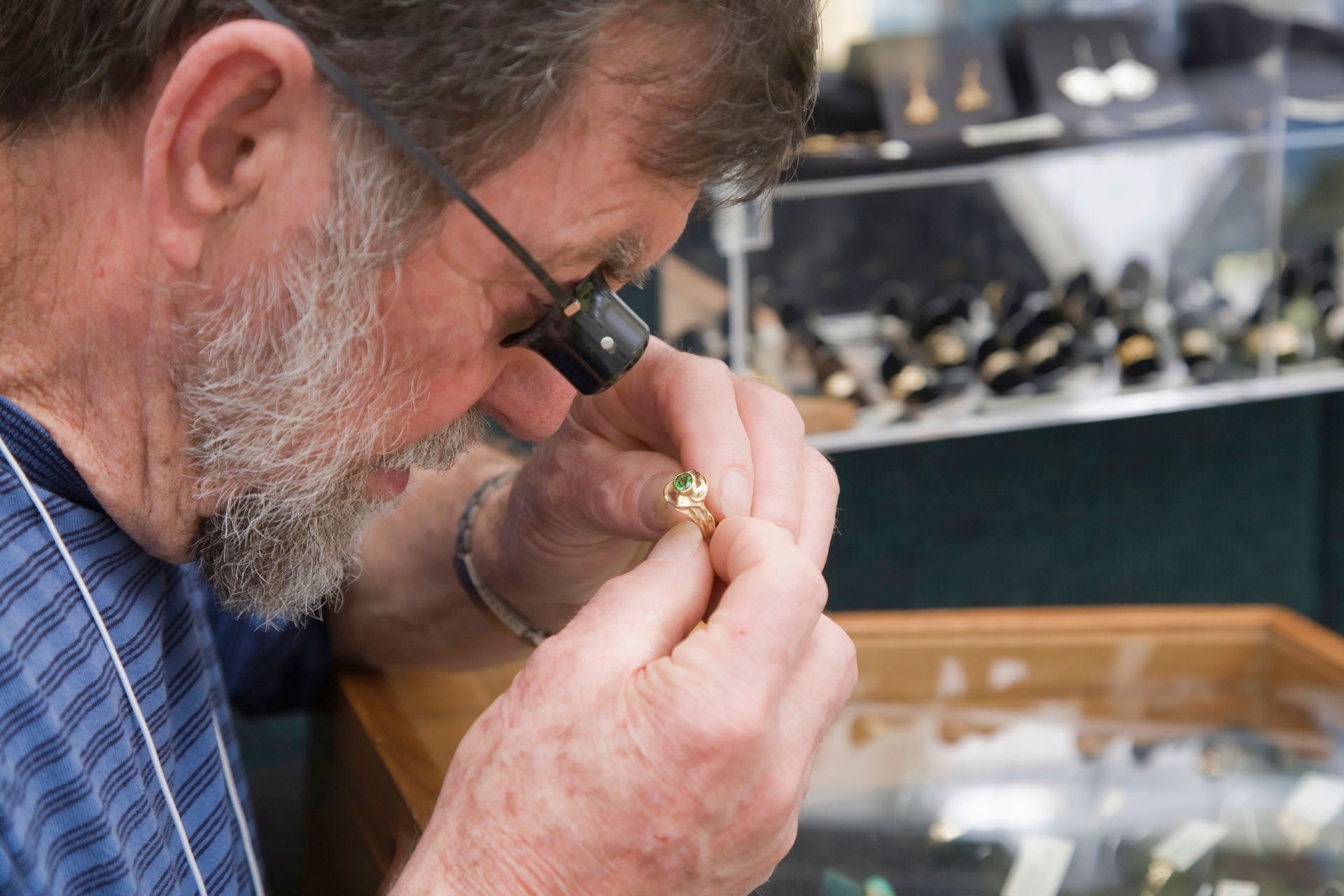
Diamonds are commonly evaluated based on characteristics such as size, cut, color, and clarity. Even small differences in these qualities can have a substantial impact on value. Using magnification equipment, the evaluator carefully examines the stone for inclusions, blemishes, and identifying features.
Colored gemstones require a different approach. Factors such as color saturation, transparency, rarity, and condition all play a role in determining value. The evaluator may also assess whether a stone is natural, laboratory-created, or treated. Accurate gemstone identification is essential because appearance alone can sometimes be misleading. Professional testing helps ensure that the jewelry evaluation reflects the true nature of the stones involved.
Designer and Brand Recognition Are Considered
Many pieces derive value from more than just their materials. Designer jewelry often commands higher prices due to brand reputation, craftsmanship, and consumer demand. During the evaluation process, pawn professionals look for evidence that a piece was created by a recognized luxury brand or designer.
Well-known names in the jewelry industry frequently maintain strong resale value because buyers trust their quality and prestige. Authenticity is especially important in this area, as counterfeit designer jewelry exists throughout the market. Evaluators inspect serial numbers, maker's marks, signatures, and other identifying features to verify legitimacy.
Vintage and antique jewelry may also possess additional value beyond its material content. Certain historical periods, artistic styles, and rare designs attract collectors who are willing to pay premium prices. By considering these factors, the evaluator develops a more complete understanding of the jewelry's market appeal.
Specialized Equipment Supports Accurate Results
Modern pawn stores often use advanced technology to improve the accuracy of their evaluations. While professional knowledge remains essential, specialized equipment provides valuable data that helps verify findings and eliminate uncertainty.
Precision scales allow evaluators to determine exact weight measurements, which are particularly important when assessing precious metals. Electronic analyzers can help verify metal composition, while gemstone testing equipment assists in identifying stones and distinguishing genuine materials from imitations. Microscopes allow professionals to inspect intricate details that may not be visible to the naked eye.
The use of professional tools helps create a more reliable jewelry evaluation by providing objective measurements and scientific verification. These technologies allow evaluators to assess valuable items without causing damage, preserving both the condition and value of the jewelry.
Market Research Helps Determine Current Value
An accurate jewelry evaluation requires more than simply identifying materials and gemstones. Market conditions play a significant role in determining what a piece is worth at any given time. Precious metal prices change regularly, and consumer demand for certain styles, brands, and gemstones can fluctuate throughout the year.
Evaluators often research current market trends before arriving at a final valuation. They consider recent resale activity, industry demand, and pricing data to determine how similar items are performing in the marketplace. This research ensures that the valuation reflects present-day conditions rather than outdated information.
For example, increases in gold prices may boost the value of gold jewelry, while growing demand for vintage pieces may enhance the worth of antique items. By combining market research with physical inspection and testing, the evaluator creates a comprehensive picture of the jewelry's current value.
The Final Valuation Is Presented
Once all inspections, tests, and research have been completed, the evaluator presents their findings. This final stage of the jewelry evaluation includes an explanation of the factors that contributed to the assessed value. Customers gain insight into the quality of the materials, the condition of the piece, and the role that market conditions play in determining worth.
If the customer is interested in selling or pawning the jewelry, the pawn store may provide an offer based on the evaluation. The customer can then decide whether to accept the offer, seek additional opinions, or retain ownership of the item. Regardless of the outcome, the evaluation provides valuable information that helps owners make informed decisions about their jewelry.
A professional jewelry evaluation at a pawn store is a detailed process designed to determine the true value of a piece through inspection, testing, and market analysis. From examining precious metals and gemstones to verifying designer authenticity and researching current market conditions, each step contributes to a thorough and accurate assessment. Whether you're interested in selling, pawning, insuring, or simply learning more about your jewelry, a professional
jewelry evaluation at Loudoun Exchange & Jewelry Inc offers valuable insight into what your treasured items are truly worth. Visit us today to get started!