July 8, 2026
Whether you are considering selling a treasured heirloom, obtaining a short-term loan, or simply learning more about your valuables, understanding the appraisal process can help you feel more confident. Many people walk into a pawn shop with questions about how their jewelry will be assessed and what factors influence its value. A professional jewelry evaluation provides answers by examining the piece's materials, craftsmanship, condition, and market demand.
Unlike quick online estimates or informal opinions, a pawn store evaluation involves trained professionals who understand precious metals, gemstones, and current resale trends. The goal is to determine a fair value based on objective criteria and market realities. Knowing what to expect during the process can help you make informed decisions and maximize the value of your jewelry.
Inspection
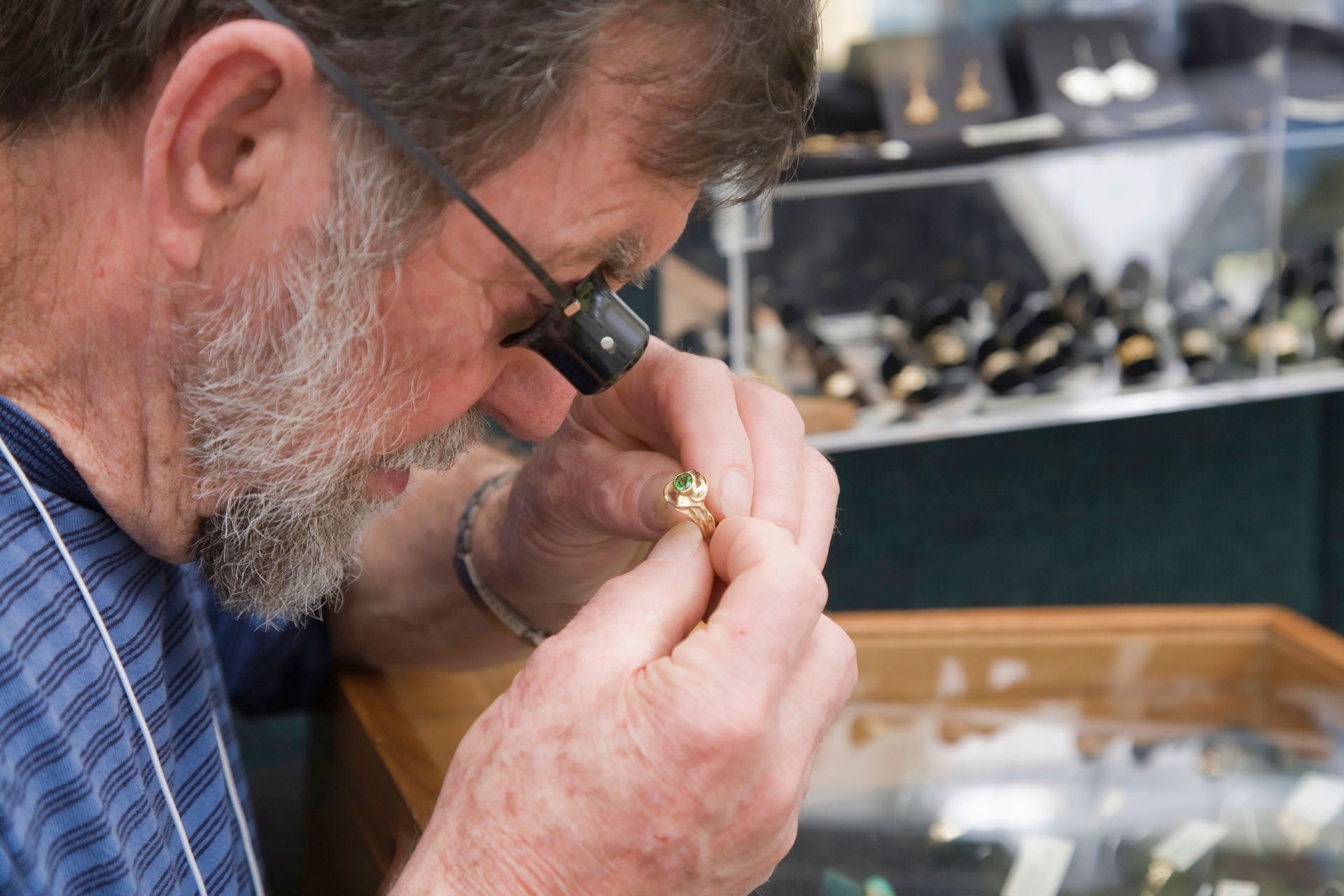
The first step in the jewelry evaluation process is a thorough inspection of the item. A professional evaluator carefully examines the jewelry's overall appearance, looking for signs of wear, damage, repairs, or alterations. Even small details can affect the final valuation, so this stage is essential for establishing an accurate assessment.
During the inspection, the evaluator identifies the type of jewelry being presented. Rings, necklaces, bracelets, earrings, watches, and specialty pieces each have unique considerations. The evaluator may also note the style, manufacturer, age, and design characteristics that could influence market demand.
Hallmarks and stamps play an important role during this stage. These markings often indicate metal purity, manufacturer information, or designer branding. Recognizing authentic markings helps verify the quality and origin of the piece while providing important clues about its potential value.
Gemstones receive special attention during the inspection process. Evaluators examine diamonds and colored stones for visible characteristics such as clarity, color, cut quality, and overall condition. This detailed review helps establish a foundation for the next stages of the jewelry evaluation process.
Verification
Once the initial inspection is complete, the evaluator begins verifying the materials used in the jewelry. Precious metals such as gold, silver, platinum, and palladium must be accurately identified to determine their worth. Professional testing equipment helps confirm metal content rather than relying solely on visual inspection.
Metal testing may involve electronic analyzers, acid tests, magnetic testing, or other industry-standard methods. These procedures help determine whether a piece contains solid precious metal, plated materials, or alternative alloys. Accurate verification protects both the customer and the pawn store from valuation errors. Verification methods should not damage your jewelry.
Gemstones are also authenticated during this phase. Trained professionals use specialized tools such as jewelers' loupes, microscopes, and diamond testers to distinguish genuine stones from synthetic or imitation alternatives. This step is critical because authenticity significantly impacts value. Real diamonds will always be more valuable than cubic zirconium or other imitation materials.
Designer jewelry often undergoes additional scrutiny. High-end brands can command premiums in the resale market, but counterfeit items are common. A careful jewelry evaluation includes verifying designer signatures, craftsmanship details, and other identifying characteristics to ensure authenticity.
Measurement
After materials have been verified, precise measurements are taken. Weight is one of the most important factors when evaluating precious metals because it directly affects intrinsic value. Jewelry is weighed using highly accurate scales designed specifically for the jewelry industry.
Gemstones are measured and graded according to established standards. For diamonds, evaluators often consider the famous four Cs: carat weight, cut, color, and clarity. These characteristics help determine the stone's quality and market desirability.
The dimensions and construction of the piece may also be recorded. Larger or more intricate pieces often require additional craftsmanship and materials, which can increase value. The evaluator combines these measurements with previous findings to create a more complete picture of the item's worth.
Condition assessment is another important component of measurement. Scratches, missing stones, bent prongs, worn clasps, or previous repairs can affect marketability and value. A comprehensive jewelry evaluation accounts for both strengths and weaknesses before a final estimate is developed.
Assessment
The final stage involves determining the item's market value. At this point, the evaluator combines information gathered throughout the process, including material content, gemstone quality, condition, brand recognition, and current market trends. This comprehensive review results in a fair and realistic valuation.
Market demand plays a major role in pawn shop pricing. Certain styles, brands, and gemstones may be highly sought after, while others experience lower demand. According to WifiTalents, 50% of pawn shop customers shopping for jewelry are purchasing pieces for personal enjoyment rather than investment purposes. This consumer behavior helps influence which items may attract stronger resale interest.
Evaluators also consider current precious metal prices. Gold, silver, and platinum values fluctuate regularly based on global market conditions. Staying informed about these changes allows pawn professionals to provide valuations that reflect current economic realities.
The completed jewelry evaluation is typically explained in detail to the customer. A reputable pawn store will discuss the factors that influenced the estimate and answer any questions about the process. This transparency helps customers understand how the value was determined and what options may be available moving forward.
If the customer is interested in selling the jewelry, the store may make an immediate purchase offer. Alternatively, some customers choose to use their jewelry as collateral for a pawn loan. Either option is based on the professional assessment completed during the evaluation process.
Many customers are surprised to learn how much expertise goes into determining value. Professional evaluators combine technical knowledge, specialized equipment, and market awareness to arrive at fair assessments. Their experience helps ensure that valuable items receive appropriate consideration.
The evaluation process also provides peace of mind. Whether a customer decides to sell, pawn, or simply gather information, they gain a better understanding of the item's characteristics and potential worth. This knowledge can be useful for future financial planning or estate considerations.
Documentation
Professional evaluators often review any documentation that accompanies a piece of jewelry. Original receipts, certificates of authenticity, diamond grading reports, warranty information, and designer packaging can all contribute valuable information during the jewelry evaluation process. These documents help establish provenance and may increase buyer confidence in the item.
For diamond jewelry, grading reports from recognized gemological laboratories can be especially useful. These reports provide detailed information about a stone's characteristics and help verify its quality. While jewelry can still be assessed without documentation, having supporting records often streamlines the process and provides additional credibility.
Customers should bring any available paperwork when visiting a pawn store for an appraisal. Even older receipts or family records may provide insight into the item's history and original purchase details. The more information available, the easier it is for the evaluator to determine an accurate and fair value.
A professional pawn store assessment involves much more than a quick glance at a piece of jewelry. From inspection and verification to measurement and market assessment, each step contributes to an accurate
jewelry evaluation that reflects both the item's intrinsic qualities and current demand. Understanding the process allows customers to approach a pawn shop transaction with confidence and realistic expectations.
At Loudoun Exchange & Jewelry Inc, we are committed to providing honest, professional service for every customer who walks through our doors. We take pride in delivering thorough evaluations, clear explanations, and fair offers based on current market conditions. Contact us today, and let us help you understand the true value of your jewelry.