November 17, 2026
Jewelry often carries financial and sentimental significance, making accurate valuation important for owners considering selling, insuring, or passing down valuable pieces. However, determining an item's worth involves more than examining its appearance or original purchase price. Precious metals, gemstones, craftsmanship, market demand, and overall condition all influence value. Two pieces that look similar may have substantially different prices because of differences in materials, quality, or authenticity. Professional jewelry evaluation helps owners understand these factors through careful examination and informed market comparisons. Whether assessing an inherited necklace, engagement ring, or collection of valuable accessories, understanding the appraisal process supports confident financial decisions. Learning how professionals establish market value also explains why accurate assessments require specialized knowledge and appropriate equipment.
Identifying Precious Metals and Their Purity
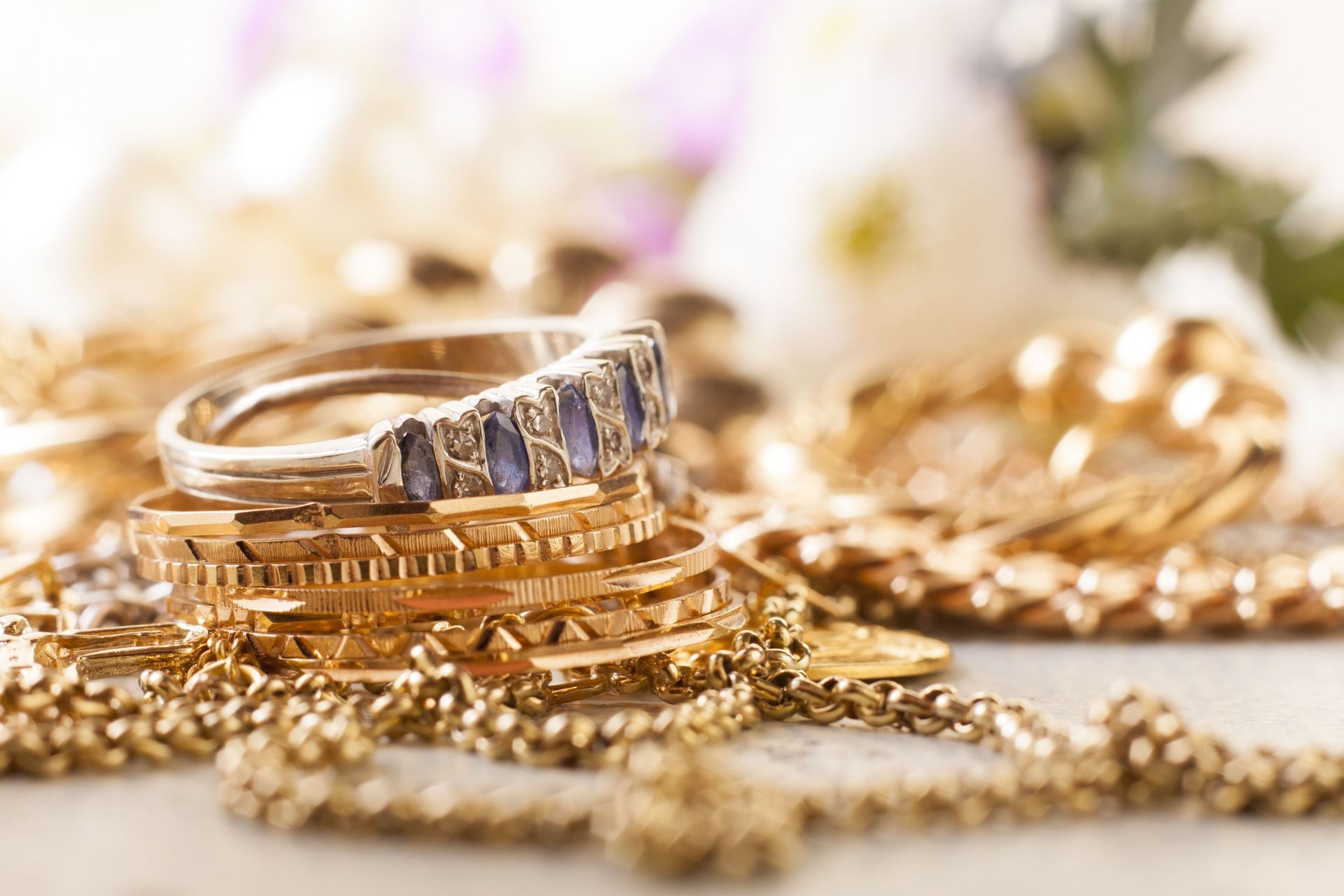
One of the first steps in determining jewelry value involves identifying the metals used in its construction. Gold, silver, platinum, and other precious metals have different market values based on composition and purity. Gold jewelry, for example, contains varying percentages of pure gold depending on its karat designation. Pieces containing higher concentrations of precious metals generally have greater intrinsic material value, although craftsmanship and other characteristics influence their overall worth.
During a jewelry evaluation, professionals examine hallmarks, test metal composition when appropriate, and measure the item's weight. Specialized testing methods help distinguish genuine precious metals from plated or imitation materials. Appraisers also consider current metal prices when calculating material value. However, the amount a buyer might pay for finished jewelry can differ from its melt value. Understanding these distinctions helps owners recognize how metal content contributes to overall worth.
Examining Gemstone Quality and Authenticity
Gemstones can contribute significantly to jewelry value, particularly when pieces contain diamonds, rubies, sapphires, or emeralds. However, gemstone prices vary considerably depending on quality and authenticity. Diamonds are commonly assessed using the four Cs: cut, color, clarity, and carat weight. Colored gemstones require additional consideration of characteristics such as hue, saturation, transparency, and treatments. These factors influence desirability and potential market prices.
Professional appraisers use magnification, specialized instruments, and established grading principles to examine gemstones. They identify inclusions, evaluate cutting quality, and investigate whether stones are natural, laboratory-grown, or treated. Certain characteristics cannot be conclusively established without advanced laboratory testing. A thorough jewelry evaluation considers available evidence and identifies circumstances requiring additional verification. Accurate gemstone identification helps ensure estimates reflect the actual characteristics of the stones.
Assessing Craftsmanship and Design Quality
The quality of jewelry construction can influence its value beyond the materials used. Skilled craftsmanship may be evident in precise stone settings, balanced proportions, detailed engraving, and carefully finished surfaces. Handmade pieces or intricate designs sometimes require considerable expertise to produce. Conversely, poorly constructed settings or visible manufacturing defects may reduce desirability. Appraisers examine these characteristics to determine whether workmanship contributes meaningfully to the item's potential selling price.
Design also influences how jewelry appeals to prospective buyers. Certain styles remain popular across generations, while others experience changing demand. Appraisers consider whether a piece demonstrates distinctive artistic techniques, unusual construction, or exceptional attention to detail. However, elaborate craftsmanship does not automatically guarantee a higher resale price. Its contribution depends on market preferences and buyer interest. Evaluating construction alongside material quality provides a more complete understanding of potential value.
Investigating Brand Recognition and Historical Significance
Jewelry produced by recognized designers or luxury manufacturers may command prices exceeding the value of its individual materials. Brand reputation, distinctive collections, limited production, and documented provenance can influence buyer interest. Antique and vintage pieces may also attract collectors because of their age, historical associations, or unusual designs. However, older jewelry is not necessarily more valuable simply because it has survived for many years.
A professional jewelry evaluation may include examining maker's marks, signatures, production details, and available ownership records. Appraisers compare these findings with known examples and relevant market information. Original packaging, purchase receipts, certificates, and historical documentation provide additional context. When authenticity or provenance remains uncertain, further research may be necessary. Establishing credible information about a piece's origins helps determine whether historical significance contributes to its market value.
Evaluating Physical Condition and Structural Integrity
Jewelry condition affects both appearance and usability. Scratches, worn settings, damaged clasps, missing stones, and previous repairs may influence what prospective buyers are willing to pay. Some signs of age are expected in antique pieces, while extensive damage can reduce marketability. Appraisers examine these characteristics to determine whether restoration expenses or structural concerns should influence value estimates. Even small defects can become important when evaluating delicate items.
During a jewelry evaluation, professionals inspect visible wear, examine stone security, and identify alterations affecting authenticity or desirability. Additional examination may be necessary when damage is difficult to assess. Repairing a piece does not always increase its value, particularly when modifications compromise original historical features. Understanding its current condition allows appraisers to make realistic comparisons with similar jewelry available in the marketplace.
Comparing Current Market Prices and Buyer Demand
Market value depends partly on what informed buyers are willing to pay under specific selling conditions. Precious metal prices fluctuate, gemstone preferences change, and demand for particular styles can rise or decline. Appraisers therefore consider recent transactions and comparable items rather than relying exclusively on historical purchase prices. Differences in quality, condition, brand, and selling environment must be considered when evaluating market information.
Professional jewelry evaluation involves researching relevant sales information and adjusting comparisons to reflect an item's characteristics. Retail prices, auction results, private sales, and dealer offers may represent different market conditions. According to Verified Market Reports, approximately nine out of ten pawn shop customers express satisfaction with the services they receive, reflecting positive customer experiences within the industry. Nevertheless, customer satisfaction does not establish individual jewelry prices. Accurate valuations require examining appropriate market evidence and recognizing the circumstances surrounding transactions.
Distinguishing Different Types of Appraised Value
Not every appraisal serves the same purpose. Insurance replacement value generally reflects the estimated cost of replacing an item with a comparable piece through an appropriate retail market. Fair market value typically considers a transaction between informed, willing buyers and sellers without undue pressure. Liquidation value may reflect the amount obtainable under more restrictive selling conditions. These figures can differ substantially even when describing identical jewelry.
Before beginning an appraisal, owners should explain whether they intend to obtain insurance coverage, sell an item, settle an estate, or understand its current worth. Professionals can then identify the appropriate valuation standard and relevant market. An insurance appraisal should not automatically be interpreted as an expected resale offer. Understanding these distinctions helps owners use appraisal information for its intended financial or legal purpose.
Documenting Findings and Explaining Appraisal Results
Professional appraisals often involve recording detailed information about an item's characteristics and the methods used to establish value. Documentation may include descriptions of materials, gemstone measurements, identifying marks, photographs, condition observations, and valuation conclusions. The level of detail depends on the appraisal's purpose and applicable professional standards. Thorough records help owners understand what was examined and provide useful references for insurance, estate administration, or future transactions.
A qualified appraiser should explain important limitations and assumptions affecting the assessment. Certain gemstones, for example, may require laboratory testing to confirm characteristics that cannot be established through ordinary inspection. Owners should ask about appraisal qualifications, evaluation methods, fees, and written documentation. Clear explanations make findings easier to interpret and help individuals distinguish supported conclusions from estimates requiring additional investigation.
Determining jewelry value requires careful consideration of materials, gemstones, craftsmanship, condition, authenticity, and current market demand. Professional appraisers examine these characteristics while considering the assessment's purpose and applicable valuation standards. A comprehensive jewelry evaluation helps owners distinguish material worth from potential resale prices, insurance replacement costs, and other estimates. Understanding these differences is important when making decisions about inherited pieces, personal collections, or items intended for sale. Accurate documentation and informed professional guidance can reduce uncertainty while establishing realistic expectations. Whether you want to understand the worth of a treasured possession or explore options for selling valuable jewelry, obtaining a knowledgeable assessment is an important first step. Contact Loudoun Exchange & Jewelry Inc today to discuss your jewelry appraisal needs and explore your options.